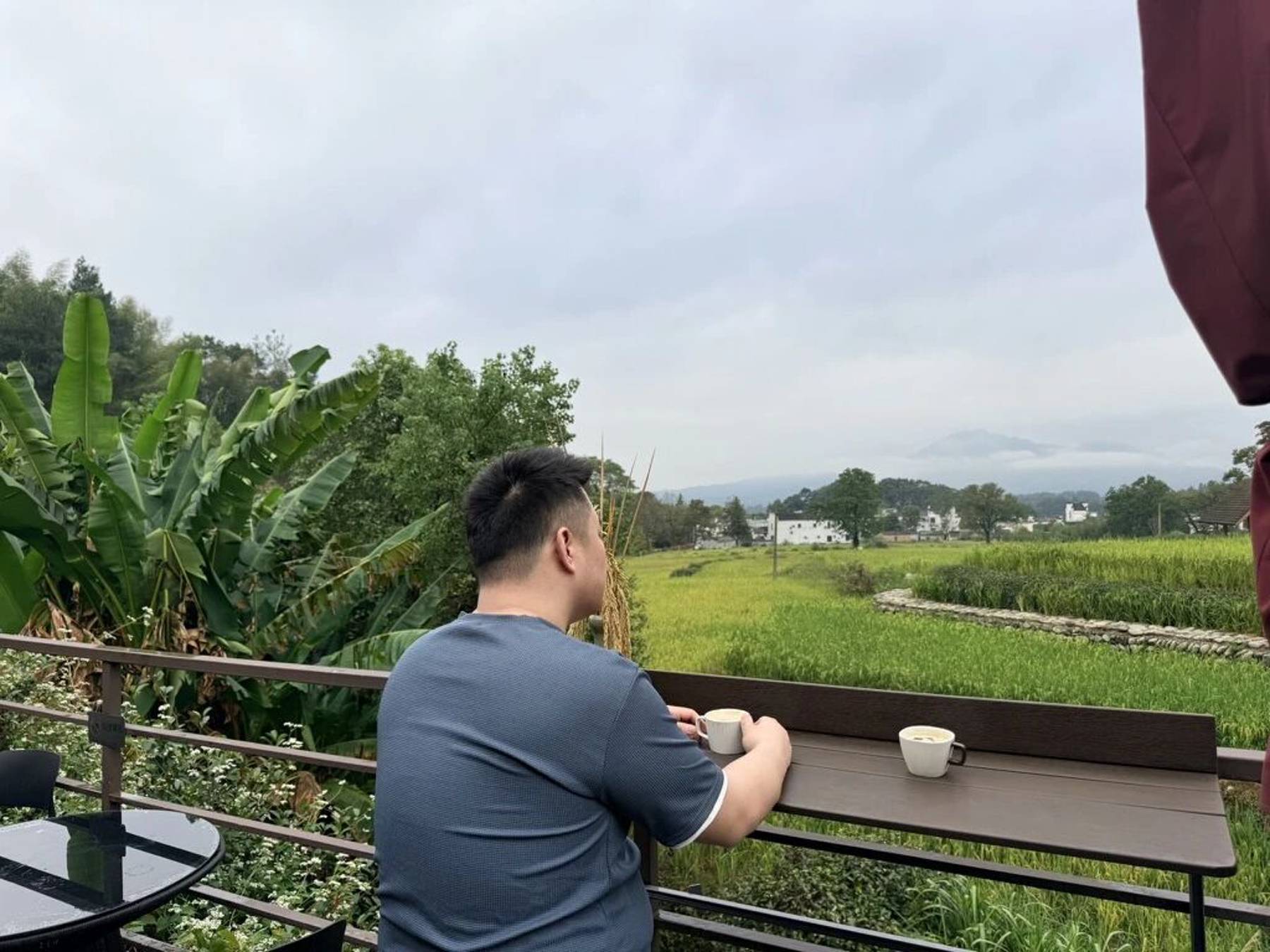
Stealing Two Days in Huangshan Between Releases

Over the past couple of days, I drove from Shanghai through Hangzhou down to Huangshan. We spent this morning around Hongcun and checked into an inn at the foot of Mount Huangshan for the night—stealing two days away to show the family around and catch a breather.
Things really have been hectic lately. I have a batch of commercial contracts up for renewal, three slide decks to put together for November talks (one at Tsinghua University, one at the China Enterprise AI Conference, and another at PGConf.Asia), adaptation work lined up for next month’s PostgreSQL 19 GA release, plus a dozen new fronts opened up by AI coding. All of it takes serious bandwidth.
Fortunately, with AI riding shotgun, as long as I have a laptop within reach, the wheels keep turning even when I am on the road. None of our open-source product lines have missed a beat on their release cadence. Over the last few days, I shipped updates to two projects along the way:
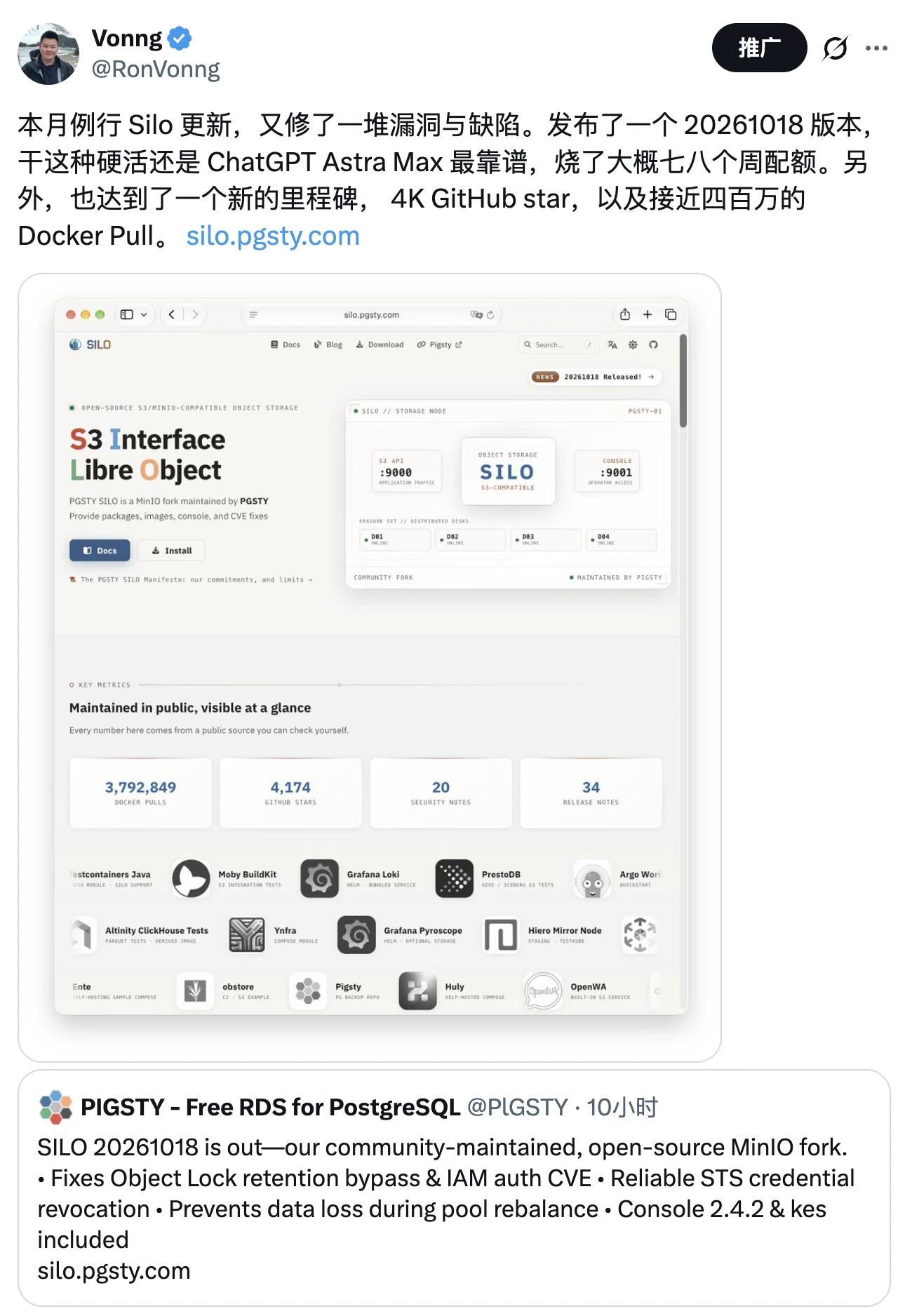
Silo 20261018 Monthly Security Release
Silo, the open-source object storage fork of MinIO that I maintain, shipped its 20261018 monthly release yesterday, focusing on security hardening and component synchronization:
Core security fixes: The October security update patches vulnerabilities in Object Lock, Admin Credentials, and JWK parsing. If you rely on object storage for database backups—especially immutable backups against ransomware or accidental deletion—and compliance archiving, closing these low-level permission and locking gaps is non-negotiable.
Synchronized ecosystem artifacts: The companion client
mcli 20261018, the full-featured web management consoleConsole v2.4.2, and the core librarysilo-pkg 3.14.3have all been built and updated in lockstep. By user request, theKESkey management component is now officially part of the build and distribution pipeline as well.Ready out of the box: As usual, the release ships with prebuilt binaries, multi-arch container images (including Distroless variants), and native RPM / DEB / APK packages. It remains a drop-in replacement with full compatibility for existing
MINIO_*environment variables, the S3 API, and on-disk data volumes—just swap the image or package for a smooth upgrade.
Project homepage & changelog: Silo
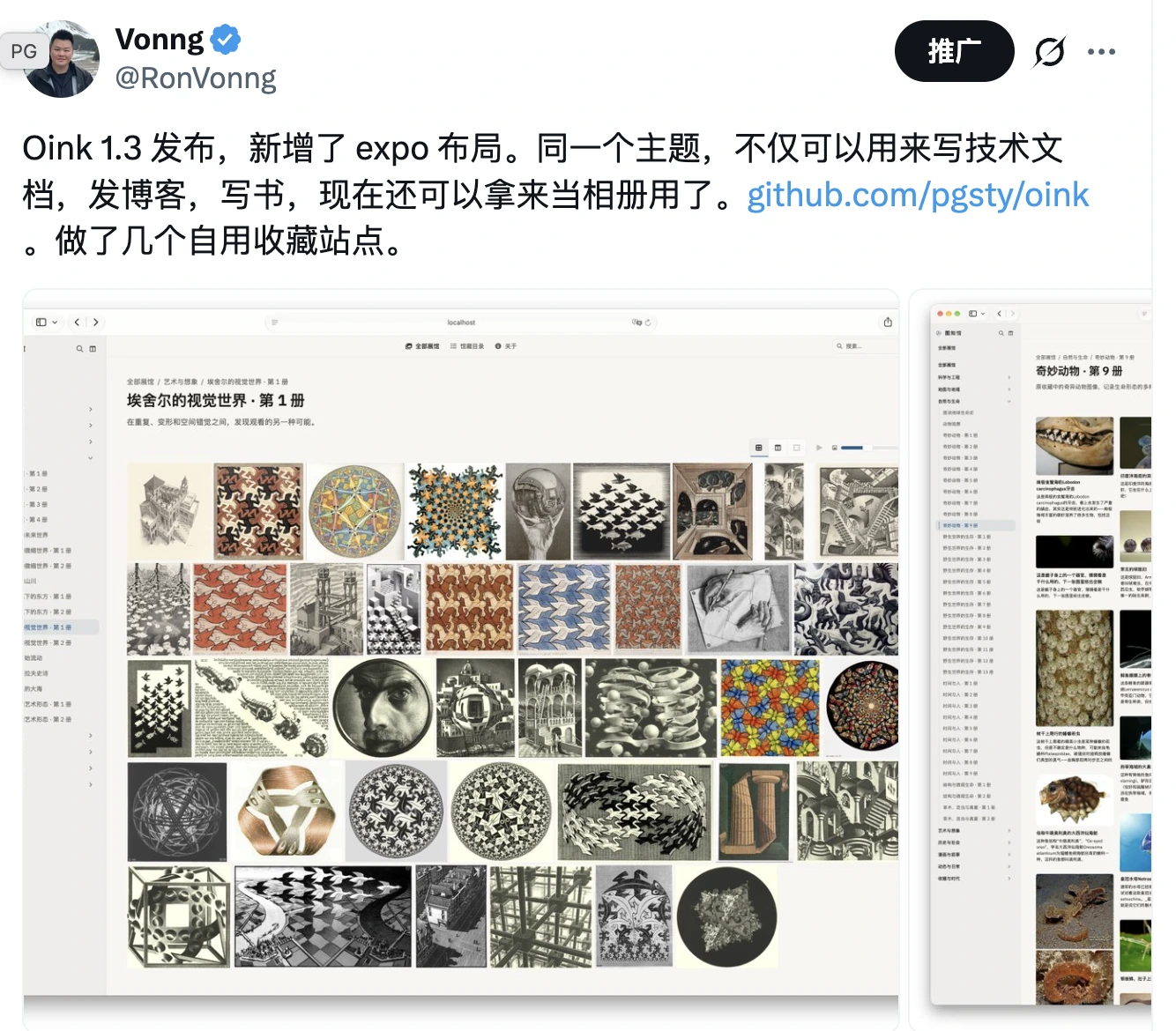
Oink v1.3: Native Expo Photo Galleries
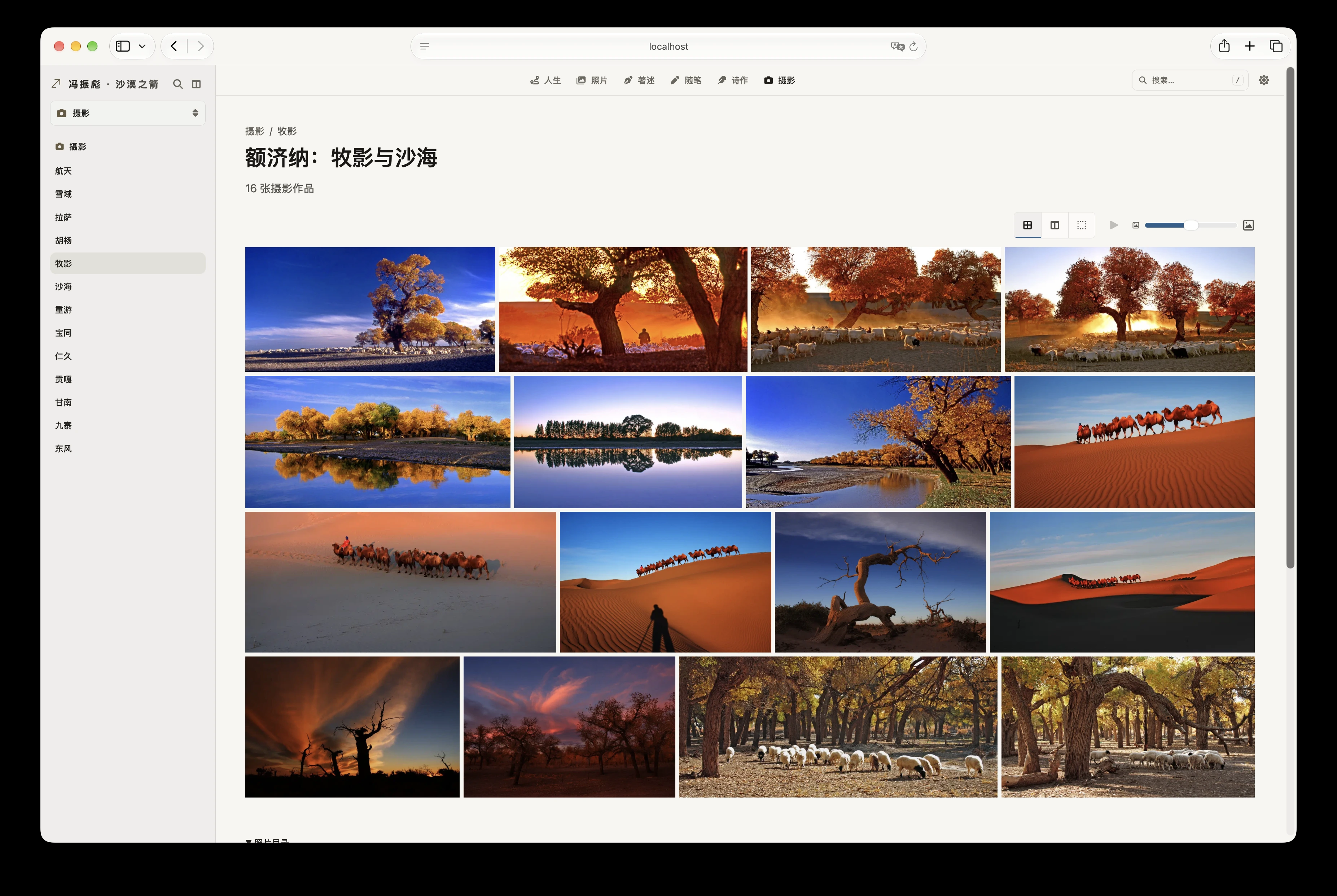
Alongside our storage layer, Oink, the local-first Hugo theme framework that powers our entire documentation fleet, also reached v1.3 over the past few days (with patch releases already up to v1.3.2). The headline update adds a native Expo photo gallery layout alongside the existing Docs, Blog, and Book archetypes:
A directory is an album, zero boilerplate: Following an engineering-first approach, a standard Hugo leaf bundle—an
index.mdplus a folder of images—is all it takes to make an album. Drop your photos into the directory and Oink renders the gallery automatically, without creating per-image pages or hand-writing piles of YAML.Three layout modes and a full-resolution viewer: Expo includes Wall, Cards, and Seamless layouts right out of the box and automatically remembers each reader’s view preference. The built-in full-resolution viewer supports smooth continuous zoom, drag-to-pan inspection, GIF playback controls, touch gestures, and a full set of keyboard shortcuts (
Q/Eor arrow keys to switch photos,K/Jto zoom,Fto expand, and more).Engineering polish across the board: The build baseline has been upgraded to
Hugo Extended 0.166.0andGo 1.27, accompanied by fixes for sidebar navigation scoping, Draw.io modal focus handling, code block interactions on landing pages, and full-book print aggregation (Print). All 36 sites we maintain are already running the latest release.
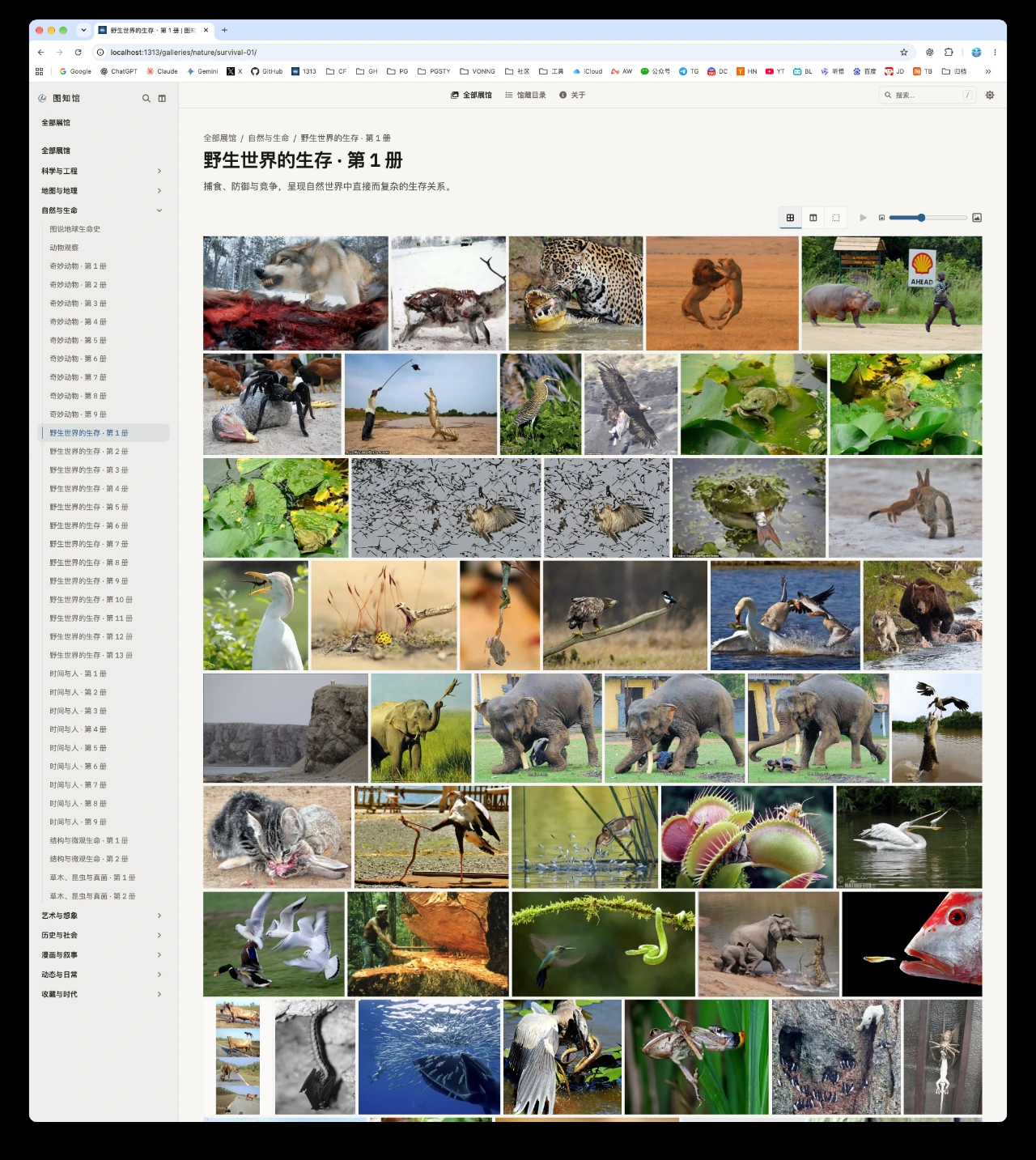
Since I took plenty of good photos on this trip through southern Anhui, Oink’s new gallery feature will come in handy as soon as I get back. Project homepage & live demo: Oink
Hongcun and Tachuan Academy
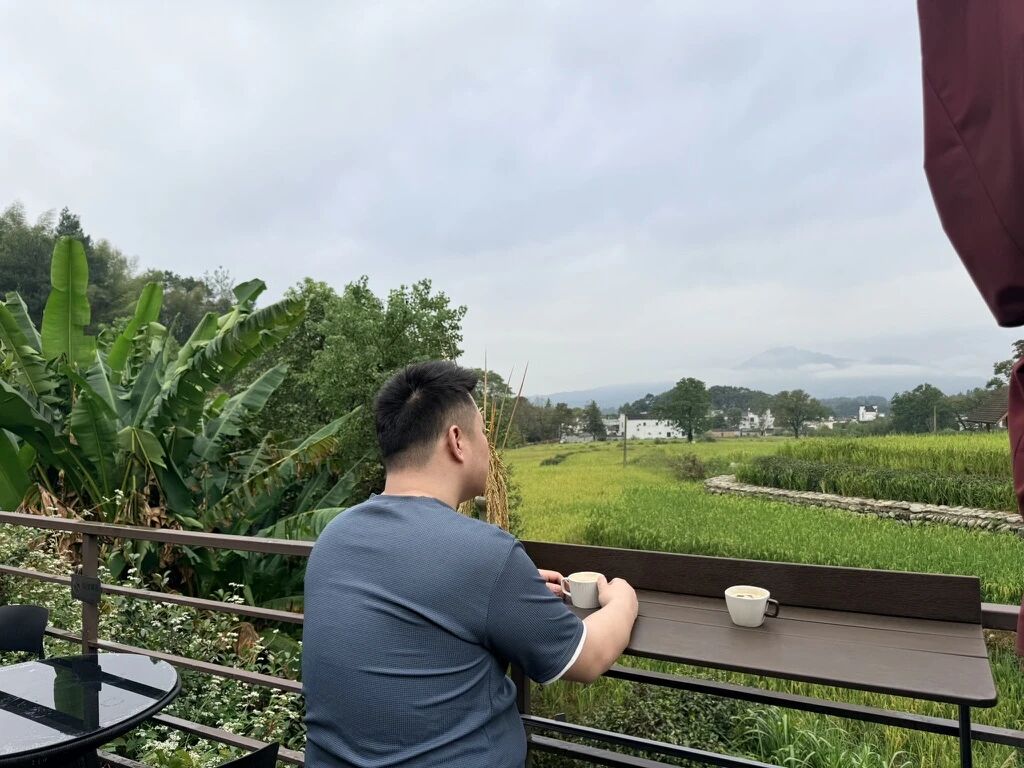
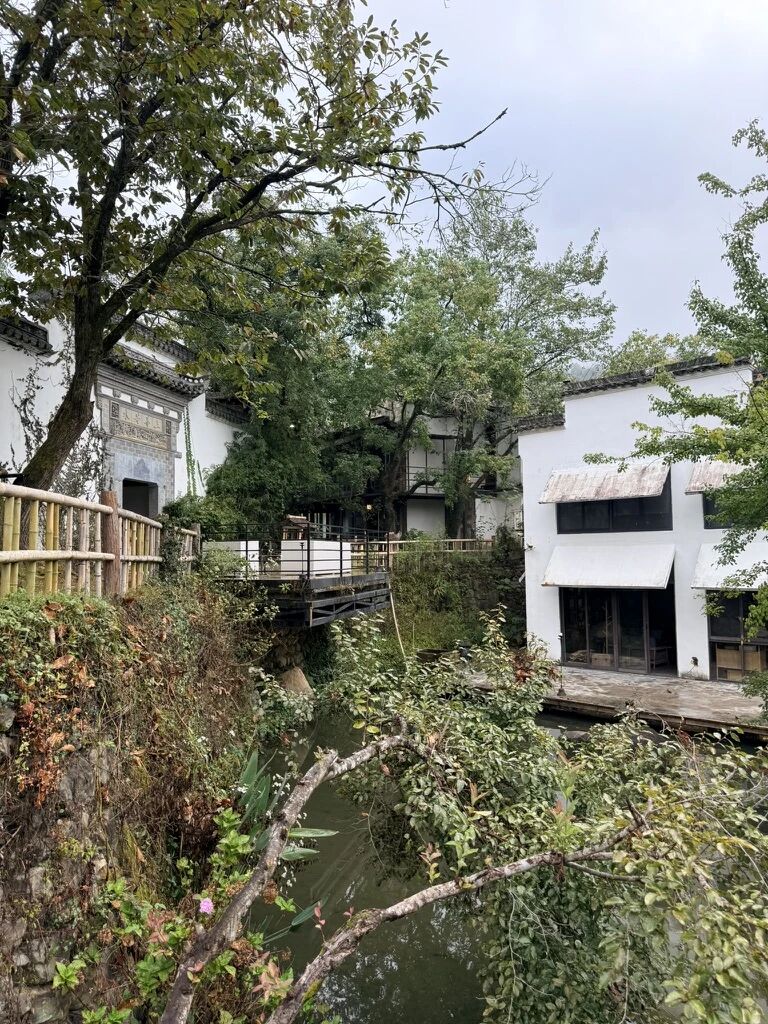
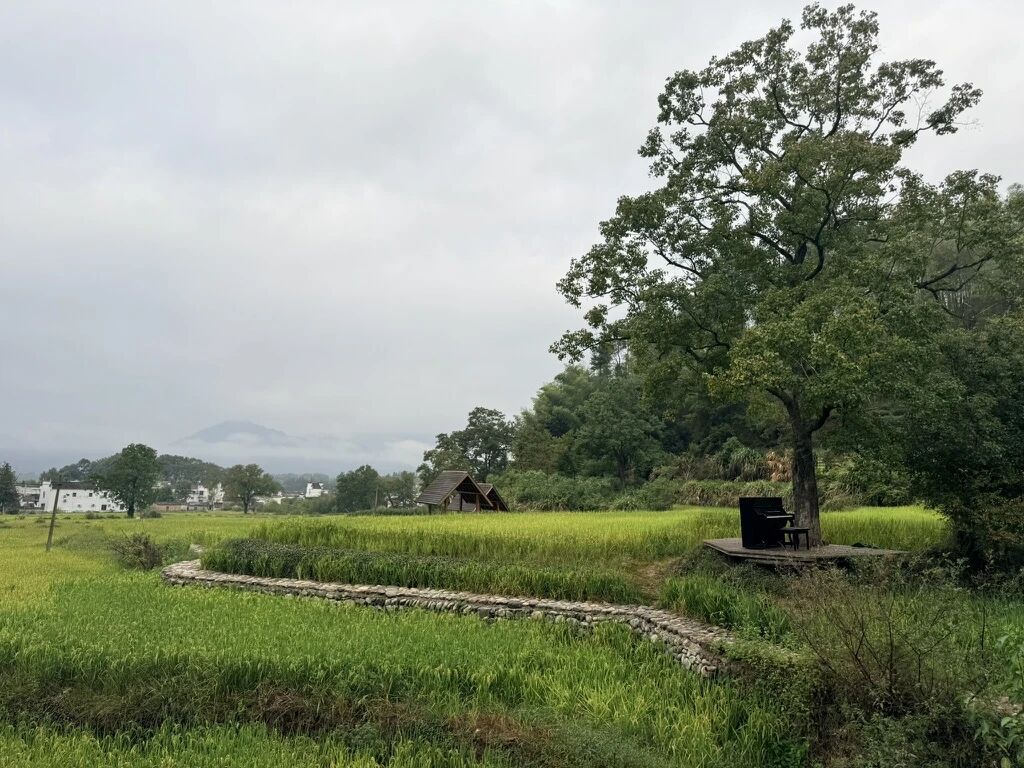
We woke up in Hongcun at Tachuan Academy, a wonderful boutique inn looking out over a beautiful stretch of rice paddies.
There were also a few resident cats that weren’t the least bit shy around people—one of them looked uncannily like, well…
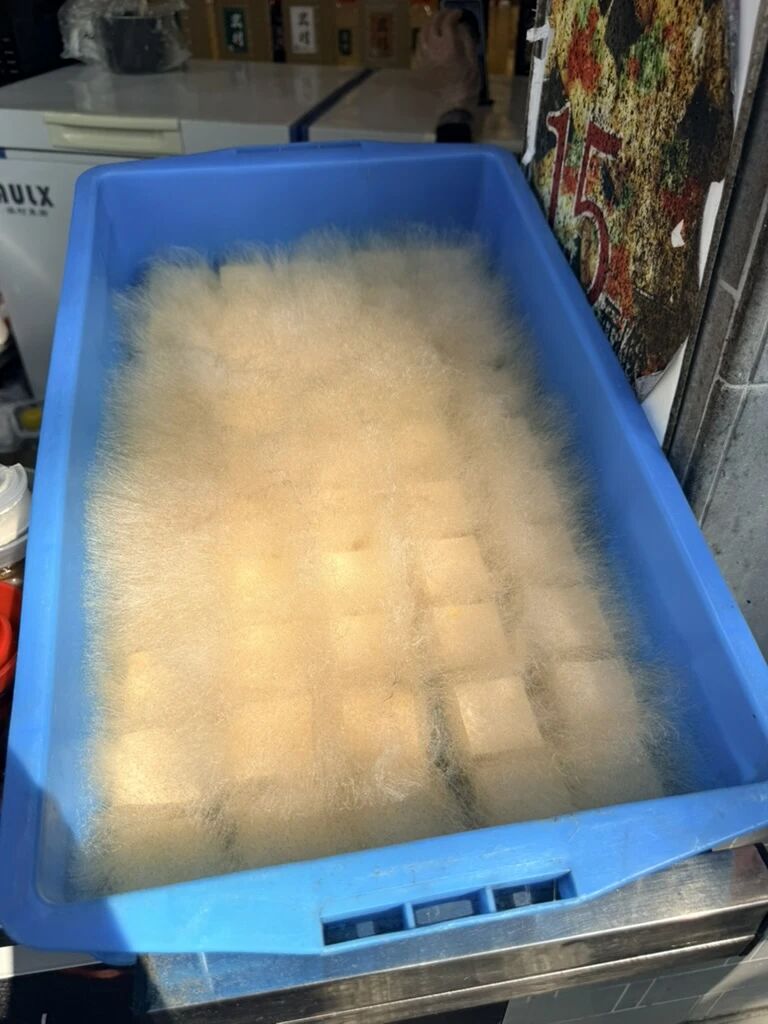
For lunch we had two classic Anhui specialties: chouguiyu (fermented mandarin fish, famously pungent and tender) and maodoufu (“hairy tofu,” pan-fried after fermenting under a coat of white mycelium). Both live up to their reputation.
After lunch we strolled around Hongcun. I have been to Huangshan several times, but this was my first time setting foot inside Hongcun itself. Honestly, as a top-tier 5A tourist attraction, it is wildly overrated. It felt thoroughly average—just another restored old town. The upkeep is decent enough, but turning it into a ticketed attraction feels completely redundant. The open countryside and the inn outside the village were far nicer.
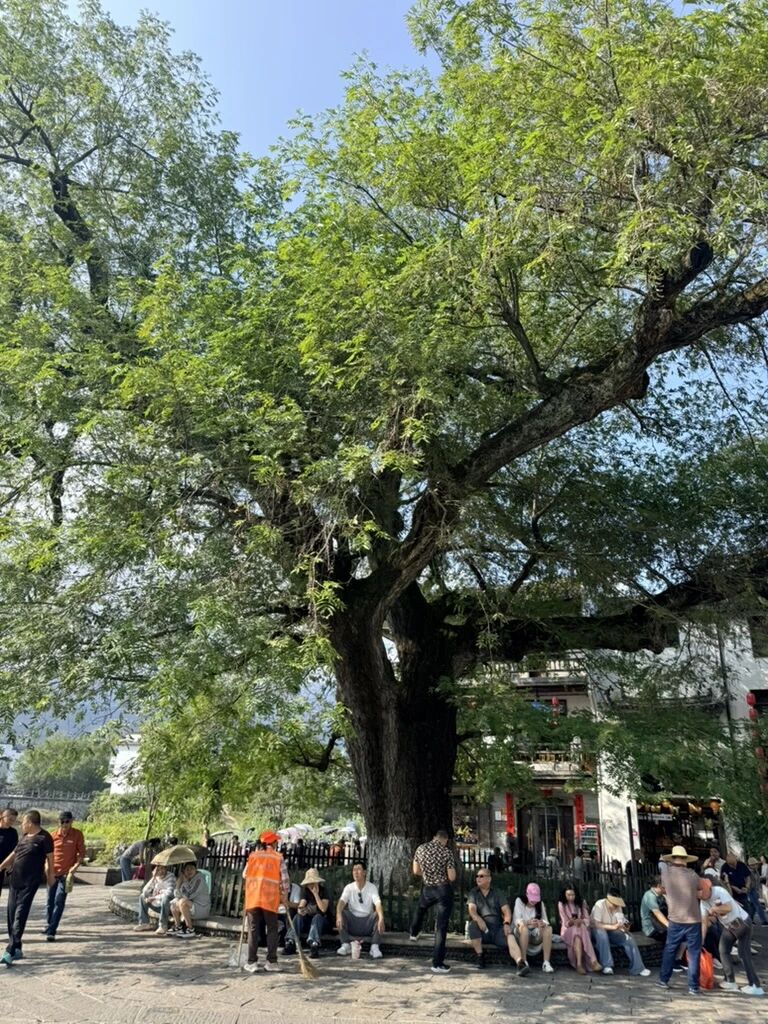
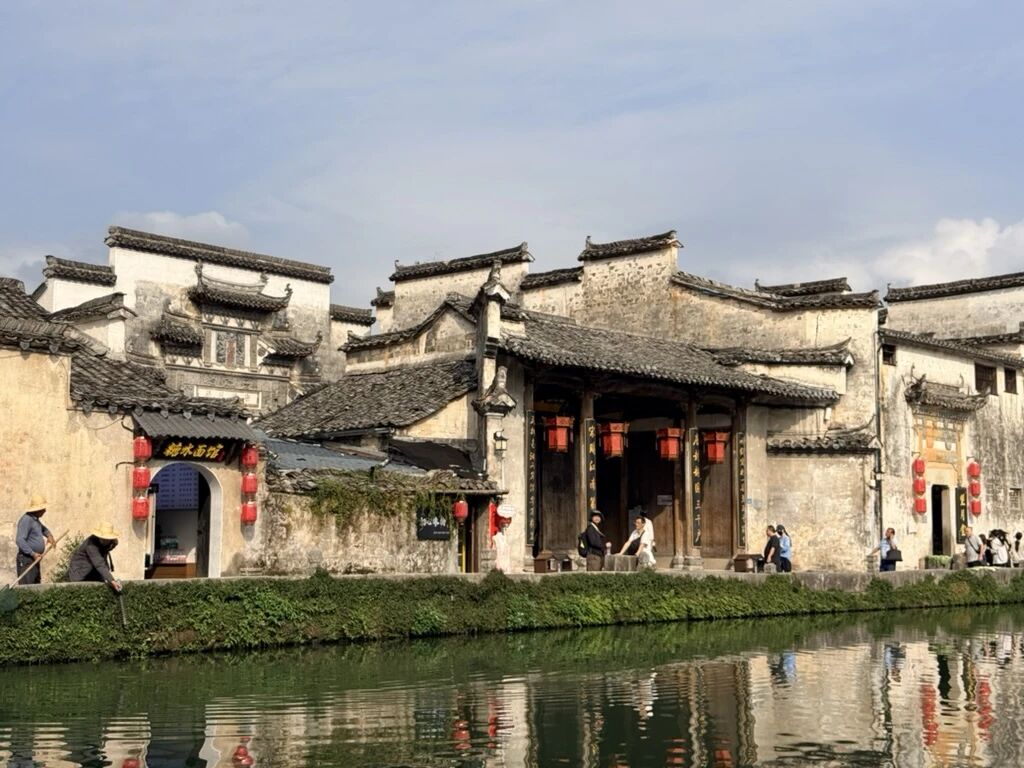
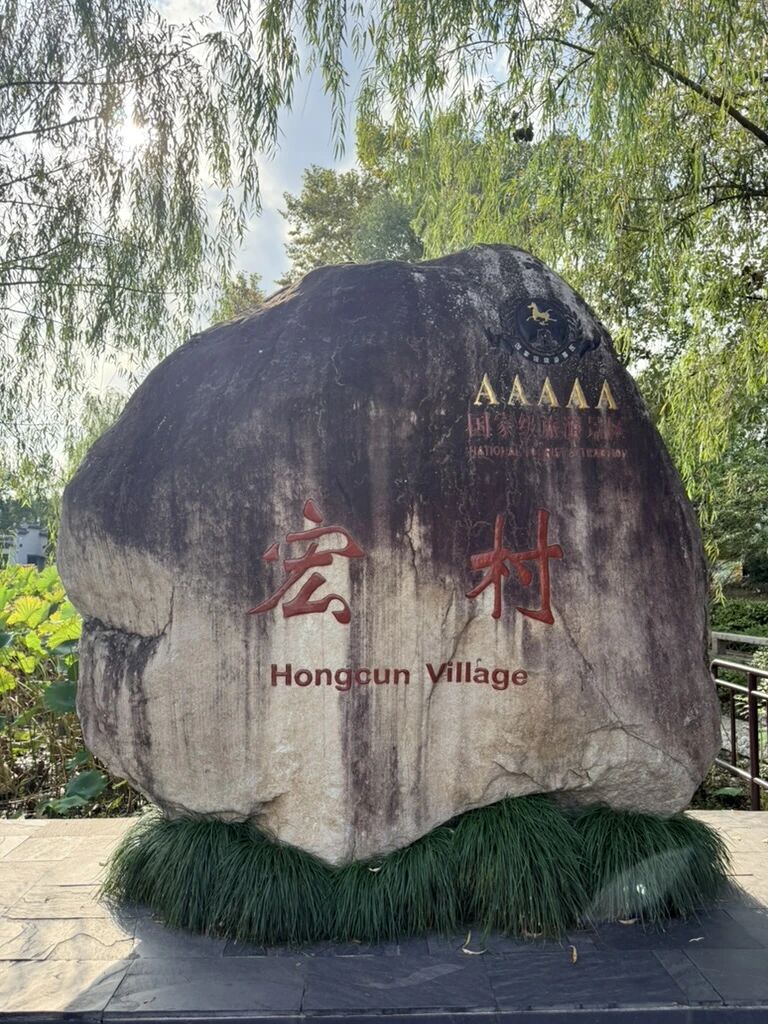
Tonight we are staying at a guesthouse at the foot of Mount Huangshan. On previous trips I always stayed in Tangkou Town, but this time we booked near the East Gate, where the new Donghai Cableway and Donghai Scenic Area opened less than six months ago—a good excuse to check out the new route.
The mountain air really is something else; I have slept like a rock the past two nights. No need to turn this into an essay—just jotting down a few notes while stealing a break. Back to enjoying the scenery with the family. Tomorrow we push up Mount Huangshan and drive all the way back to Shanghai in a single day, and we’ll take it from there.