OpenClaw v2026.3.22 was published to npm without its web console frontend and related build assets. The bigger problem is not the packaging accident itself, but the complete absence of post-install verification in the release process.
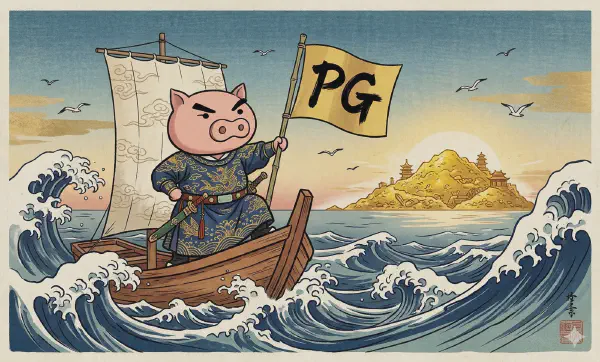
Over the last 30 days, pigsty.io served 1.44 million unique visitors, 18.11 million page views, and 1.1 TB of traffic. For a one-person open source project, the real asset here is not ad inventory. It is trust.
Tencent Cloud mirrored OpenClaw’s official skill marketplace into its own SkillHub and then claimed it was helping the upstream project. The incident turned into a case study in open-source manners, mirror ethics, and platform power.
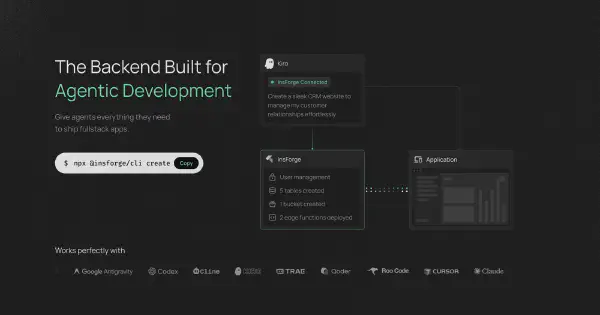
InsForge tries to package PostgreSQL, auth, storage, deployment, and an MCP-facing semantic layer into a backend stack designed for AI agents. It feels like a Supabase rebuilt for the vibe-coding era.
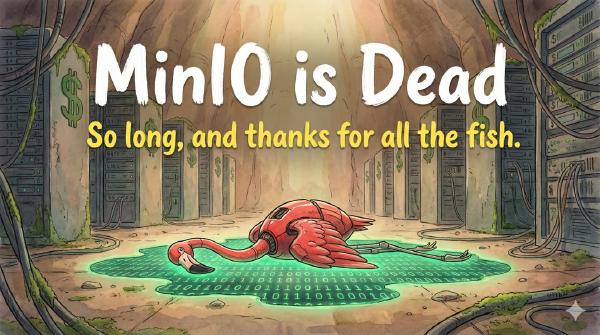
MinIO’s repo is officially archived and abandoned. And how AI Agents helped bring it back from the dead. This post explains how a community fork restores the admin console and ships binaries via CI/CD pipeline.
MinIO announces it is entering maintenance mode, the dragon-slayer has become the dragon – how MinIO transformed from an open-source S3 alternative to just another commercial software company
In serious production you can’t rely on an upstream that explicitly says “no guarantees.” When someone says “don’t count on me,” the right answer is “then I’ll run it myself.”
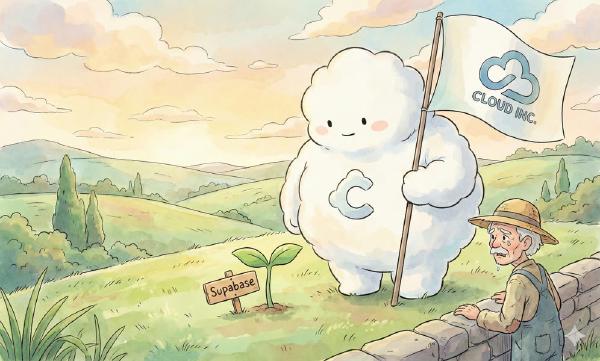
Founders here get asked the same question over and over: what if Alibaba builds the same thing? Alicloud RDS just launched Supabase as a managed service. Exhibit A.
Deleting images and running away - this isn’t about commercial closed-source issues, but supply cut problems that directly destroy years of accumulated community trust.
The Linux community is essentially imperial — and Linus himself is the earliest and most successful technical dictator. People are used to Linus’s generosity but forget this point.
When open source ideals meet commercial conflicts, what insights can this conflict between open source software communities and cloud vendors bring? On the importance of community boundary demarcation.
Redis “going non-open source” is not a disgrace to Redis, but a disgrace to “open source/OSI” and even more so to public cloud. What truly matters has always been software freedom, while open source is just one means to achieve software freedom.
Cloud databases’ exorbitant markups—sometimes 10x or more—are undoubtedly a scam for users outside the applicable spectrum. But we can dig deeper: why are public clouds, especially cloud databases, like this? And based on their underlying logic, make predictions about the industry’s future.