Containers
6 pagesDon't Run Docker Postgres for Production!
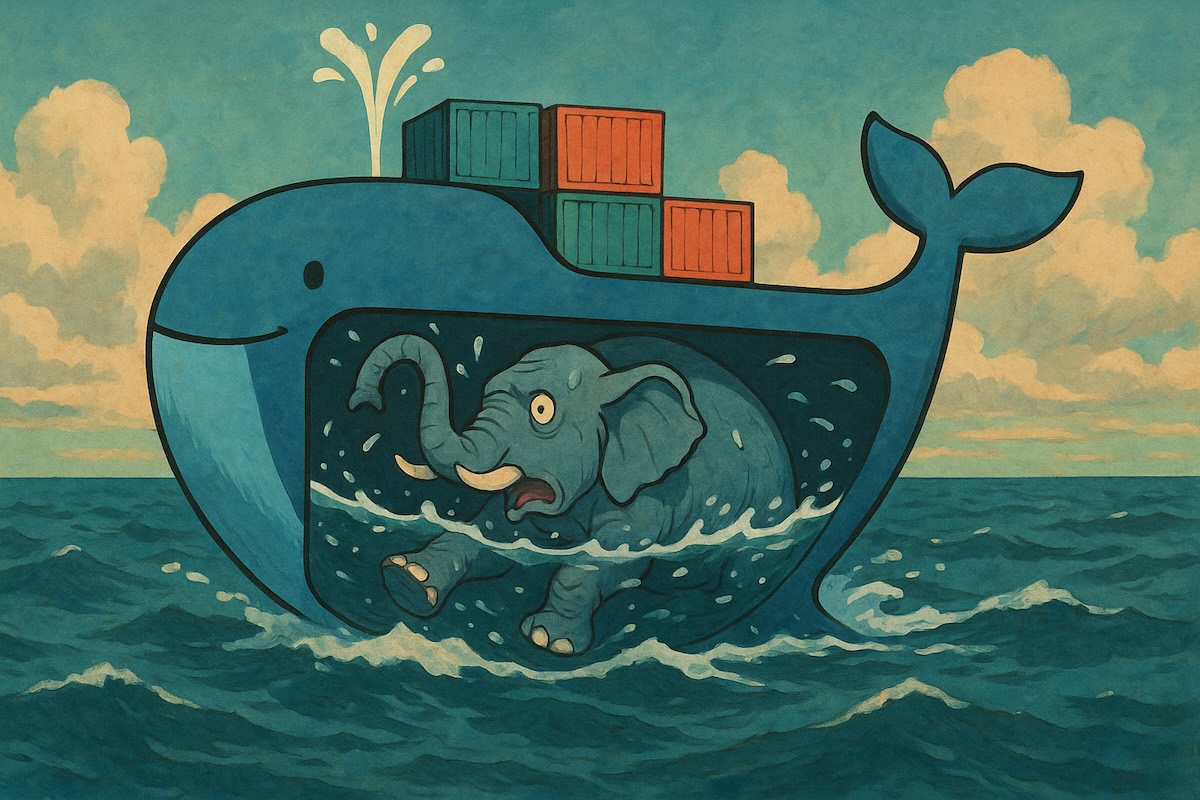
Back in 2019, I wrote about “Is running postgres in docker a good idea?” —Don’t run PostgreSQL in containers for production, because you’ll likely hit a pile of issues that simply don’t exist on bare metal or VMs. Well, users of Docker’s “official” …
Back in 2019, I wrote about “Is running postgres in docker a good idea?” —Don’t run PostgreSQL in containers for production, because you’ll likely hit a pile of issues that simply don’t exist on bare metal or VMs. Well, users of Docker’s “official” …
KubeSphere: Trust Crisis Behind Open-Source Supply Cut

KubeSphere Sudden Supply Cut: When Open-Source Trust Gets “Unplugged” A “Run” That Shocked the Cloud Native Circle The day before yesterday, QingCloud announced KubeSphere open source edition stops downloads and support, requiring users to migrate …
KubeSphere Sudden Supply Cut: When Open-Source Trust Gets “Unplugged” A “Run” That Shocked the Cloud Native Circle The day before yesterday, QingCloud announced KubeSphere open source edition stops downloads and support, requiring users to migrate …
How Many Shops Has etcd Torched?

A few days ago Yingshi Hurricane shared their Pigsty/PostgreSQL HA incident. The root cause? etcd hit its default 2 GB limit because auto-compaction wasn’t enabled. As @ayanamist put it on X: “Let’s see how many companies this stupid 2 GB design can …
A few days ago Yingshi Hurricane shared their Pigsty/PostgreSQL HA incident. The root cause? etcd hit its default 2 GB limit because auto-compaction wasn’t enabled. As @ayanamist put it on X: “Let’s see how many companies this stupid 2 GB design can …
Self-Hosting Dify with PG, PGVector, and Pigsty
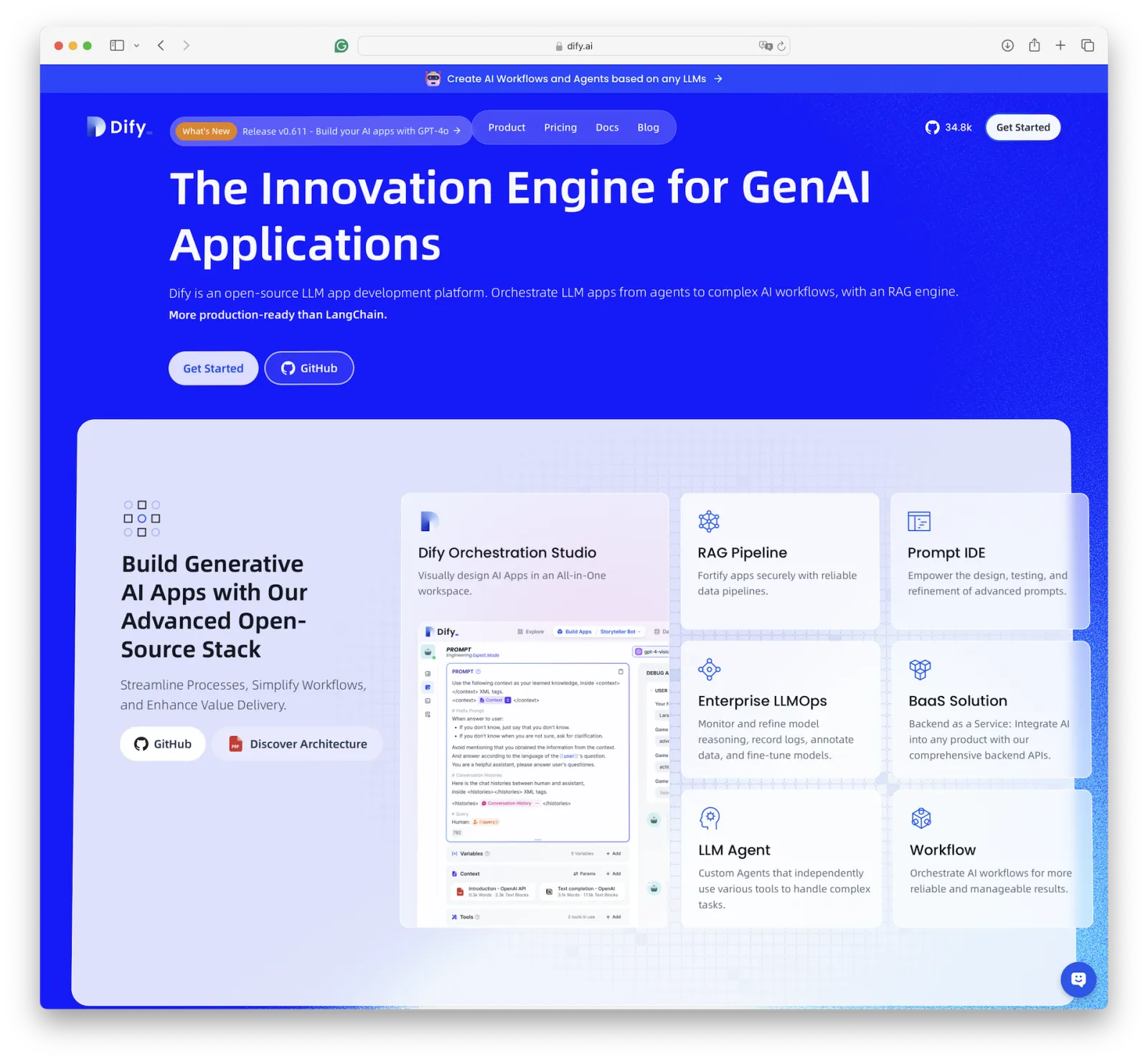
Dify – The Innovation Engine for GenAI Applications Dify is an open-source LLM app development platform. Orchestrate LLM apps from agents to complex AI workflows, with an RAG engine. Which claims to be more production-ready than LangChain. Of course, …
Dify – The Innovation Engine for GenAI Applications Dify is an open-source LLM app development platform. Orchestrate LLM apps from agents to complex AI workflows, with an RAG engine. Which claims to be more production-ready than LangChain. Of course, …
Database in K8S: Pros & Cons

Medium |Wechat Whether databases should be housed in Kubernetes/Docker remains highly controversial. While Kubernetes (k8s) excels in managing stateless applications, it has fundamental drawbacks with stateful services, especially databases like …
Medium |Wechat Whether databases should be housed in Kubernetes/Docker remains highly controversial. While Kubernetes (k8s) excels in managing stateless applications, it has fundamental drawbacks with stateful services, especially databases like …
Is running postgres in docker a good idea?

For stateless app services, containers are an almost perfect devops solution. However, for stateful services like databases, it’s not so straightforward. Whether production databases should be containerized remains controversial. From a developer’s …
For stateless app services, containers are an almost perfect devops solution. However, for stateful services like databases, it’s not so straightforward. Whether production databases should be containerized remains controversial. From a developer’s …