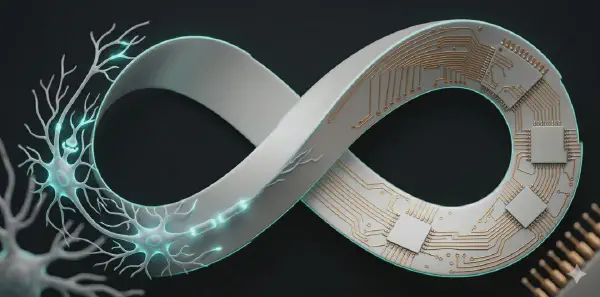
The free energy principle tries to explain life, perception, learning, action, and intelligence within one mathematical framework. It also offers a deeper lens for understanding LLMs, agents, and the next generation of AI systems.
OpenClaw v2026.3.22 was published to npm without its web console frontend and related build assets. The bigger problem is not the packaging accident itself, but the complete absence of post-install verification in the release process.
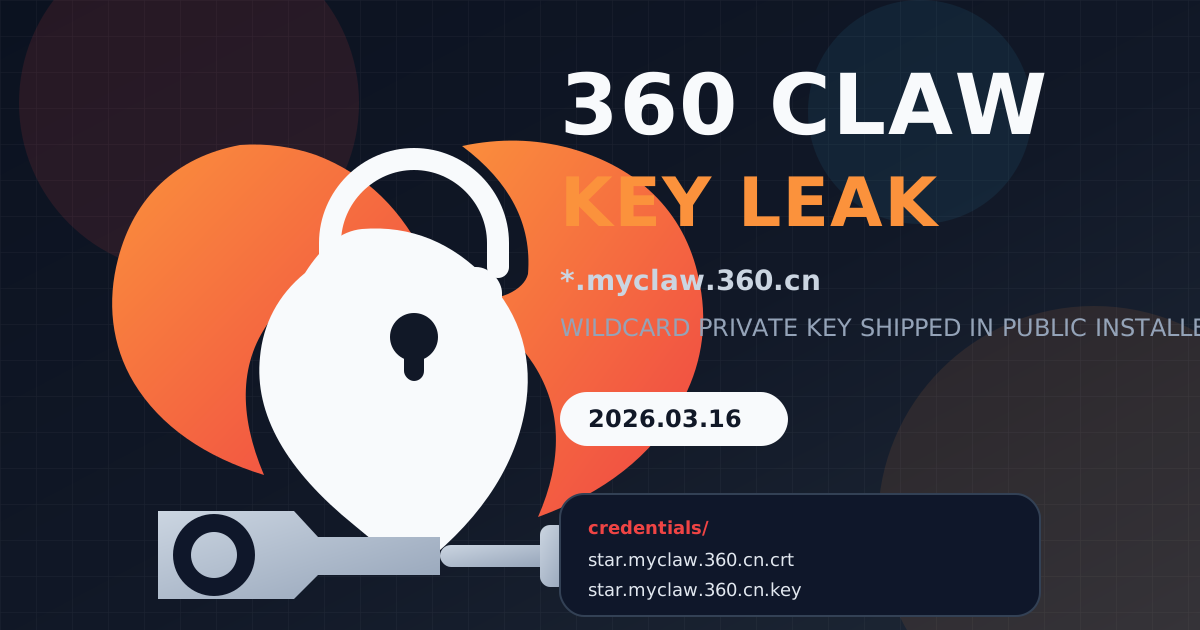
360’s newly released AI Agent product shipped a public installer containing the private key for its *.myclaw.360.cn wildcard certificate. Public verification and local reproduction also exposed inconsistencies in the OCSP revocation path.
Tencent Cloud mirrored OpenClaw’s official skill marketplace into its own SkillHub and then claimed it was helping the upstream project. The incident turned into a case study in open-source manners, mirror ethics, and platform power.
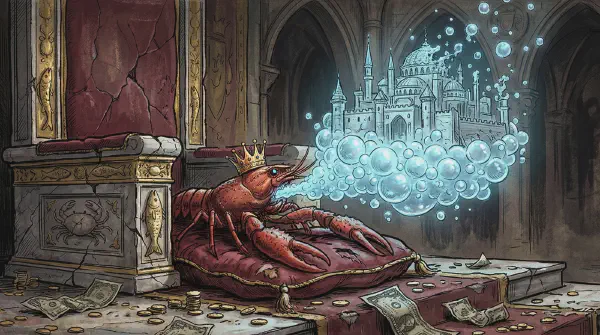
OpenClaw looks exciting because it turns agents into a chat-style experience. But the real productivity gains come from high-capability subscription agents and disciplined workflows, not from lobster-flavored wrappers.
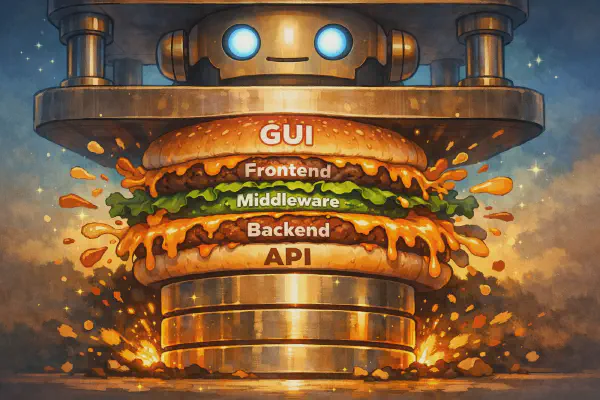
Codex 5.3 xHigh pushed my workflow past a tipping point: writing code is no longer the scarce resource. The real leverage is design quality and engineering acceptance. This is the practical loop I use to ship reliable software with AI agents.
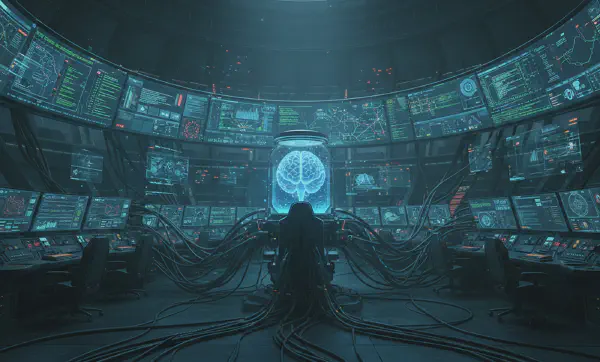
A mediocre local who knows the terrain beats a genius parachuted into unknown territory. Intelligence without context is idle. An agent without a runtime is vapor.
LLM = CPU. Context = RAM. Database = Disk. Agent = App. The mapping is surprisingly clean. And if OS history is any guide, we may know what comes next — and what’s still missing.
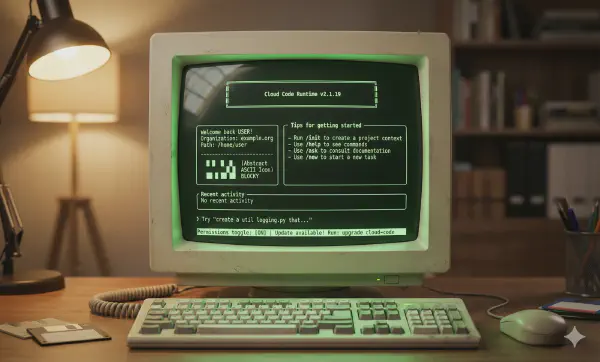
How to install and use Claude Code? How to achieve similar results at 1/10 of Claude’s cost with alternative models? A one-liner to get CC up and running!