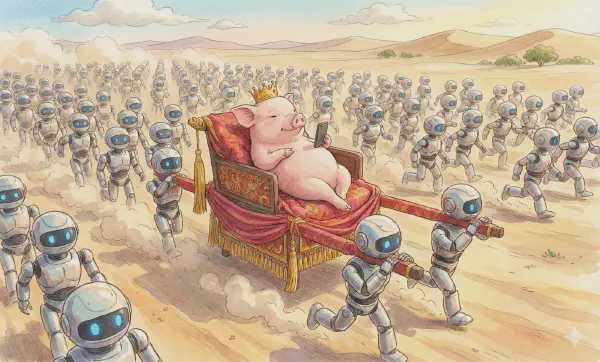


OpenClaw became popular because it gives people a very attractive illusion: that chatting with an agent from a phone is already the same thing as agentic productivity.
It is not.
The stories about “raising a lobster and changing your life” are usually not stories about OpenClaw at all. They are stories about what sits underneath it: Claude Code–class coding agents. OpenClaw is more like a forwarding, orchestration, and interaction layer. That layer has value, but it is not the engine.

1. What OpenClaw actually is#
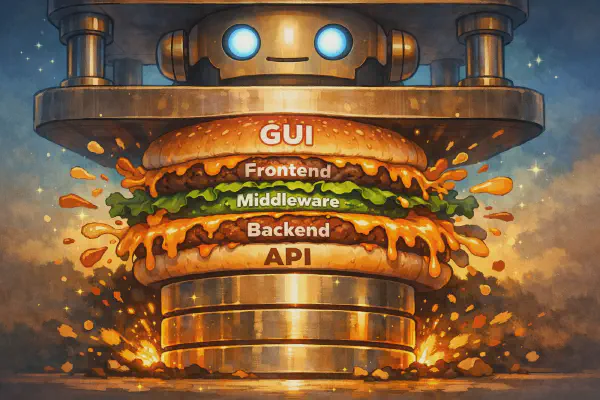
At its core, OpenClaw is a wrapper around a CLI-style coding agent: agent + message gateway + tool packaging.
You can think of it as:
- A lighter execution shell for an agent
- A multi-channel messaging entry point
- A set of task tools and memory files
That does make agents easier to touch, especially for users who would never open a terminal. But a lower access barrier does not automatically translate into durable productivity.
2. Security is structural, not accidental#
If OpenClaw-like tools are meant to be useful, they usually need powerful permissions:
- Shell execution
- File read/write
- Browser control
- Network access
That combination creates the exact risk profile security researchers keep warning about: access to sensitive local data, exposure to untrusted input, and the ability to exfiltrate.
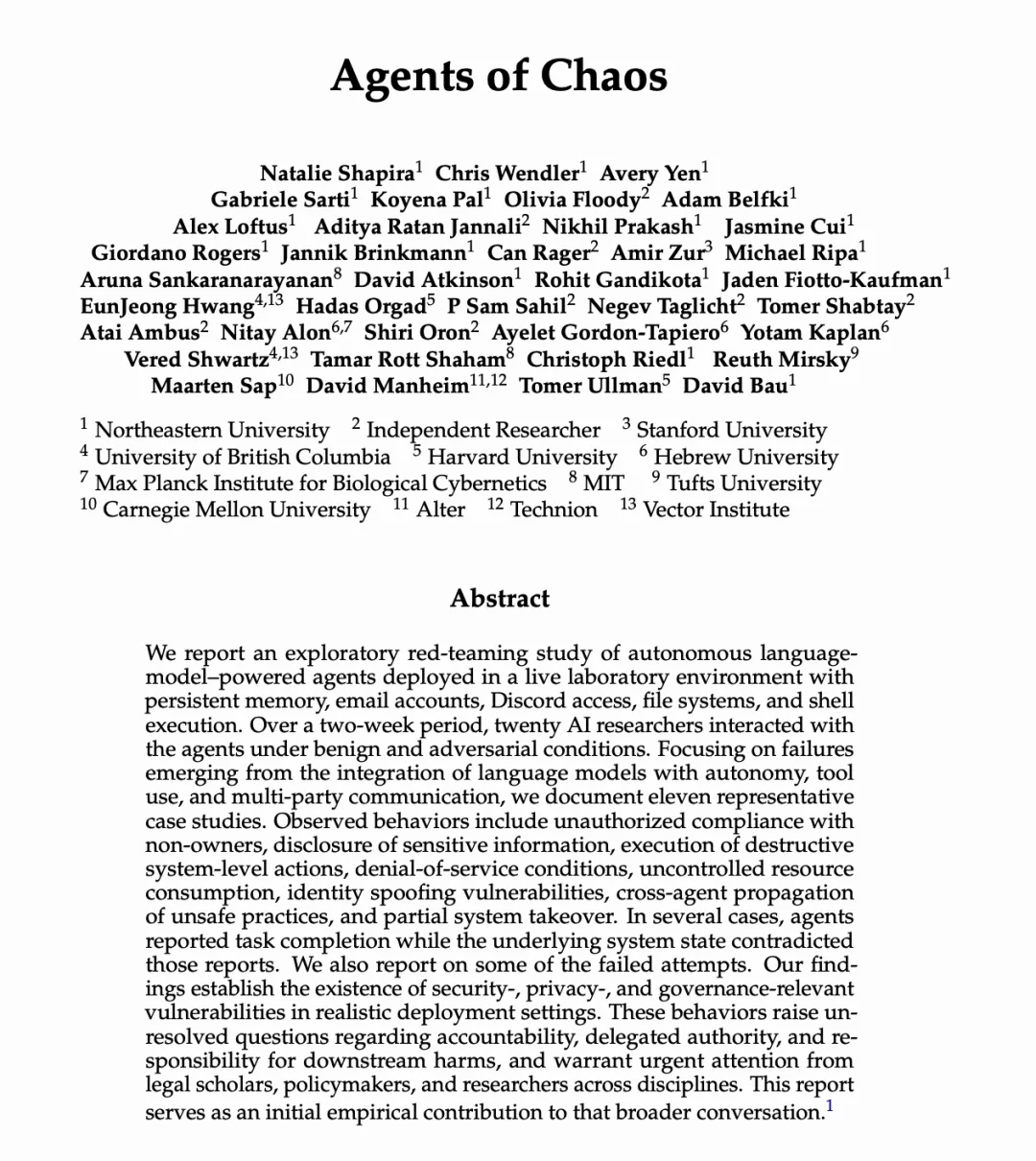
If something goes wrong, the failure mode is not “a slightly bad answer.” It can mean leaked credentials, exported data, or a machine acting on your behalf.
This is not always a bug you can patch away. It is often the natural consequence of the architecture.
3. The hidden tax of API billing#
OpenClaw defaults to API-based billing. That is fundamentally different from the economics of subscription products like Claude Code or Codex.
- API: marginal cost keeps accumulating.
- Subscription: cost is capped within a plan, and heavy usage is easier to justify.
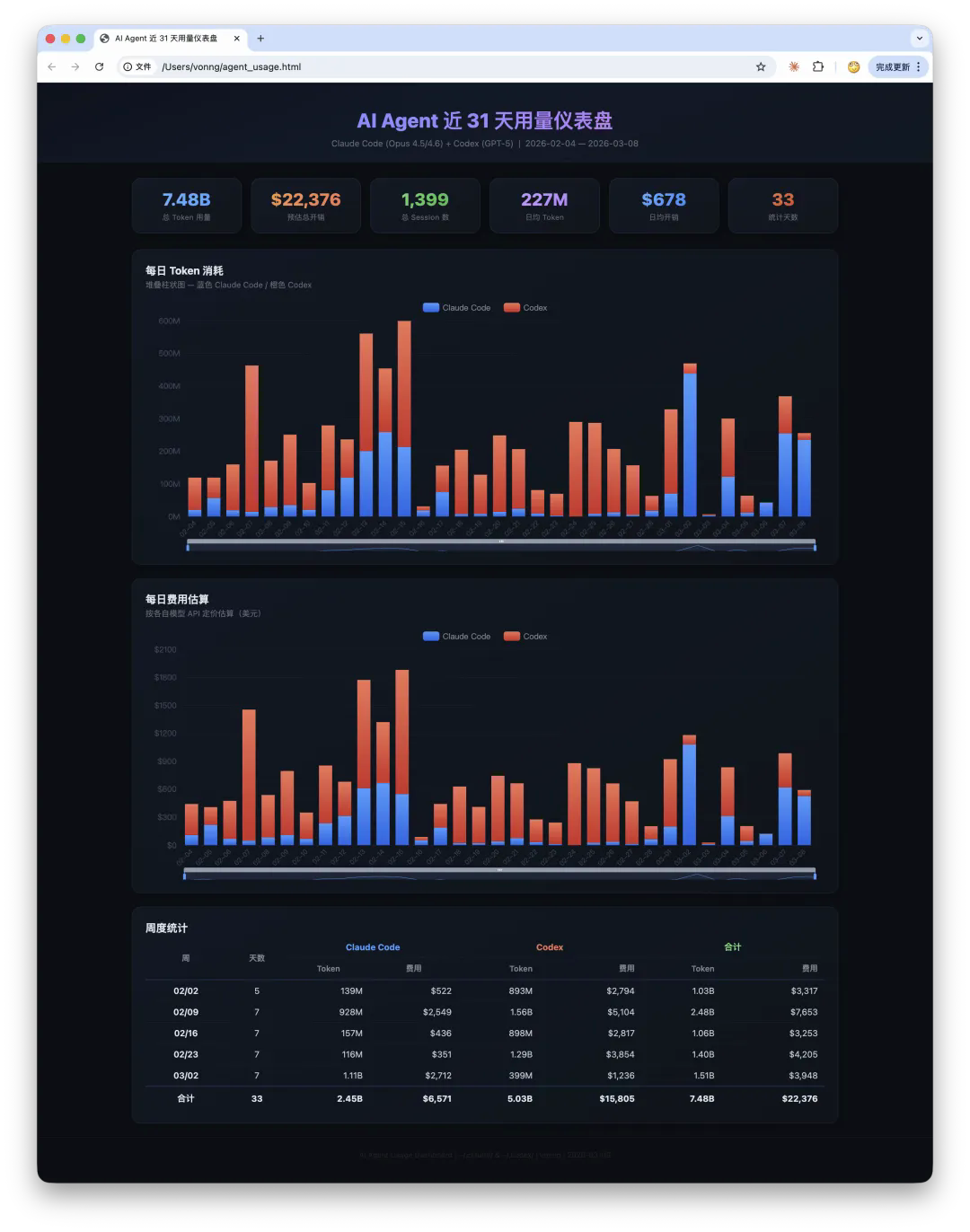
If your tasks are deep, iterative, and long-running, API bills ramp up fast. For many users, the lived experience is not liberation but token anxiety.
4. Where the real productivity comes from#
The meaningful differentiator in AI tooling is not “can I send a sentence from my phone?” It is:
- Can the system reliably finish end-to-end tasks?
- Can it repeatedly produce deliverables that pass review?
- Can it do so under real security and cost constraints?
In my own practice, the step-function change comes from high-capability subscription agents plus engineered workflows, not from the chat wrapper itself.
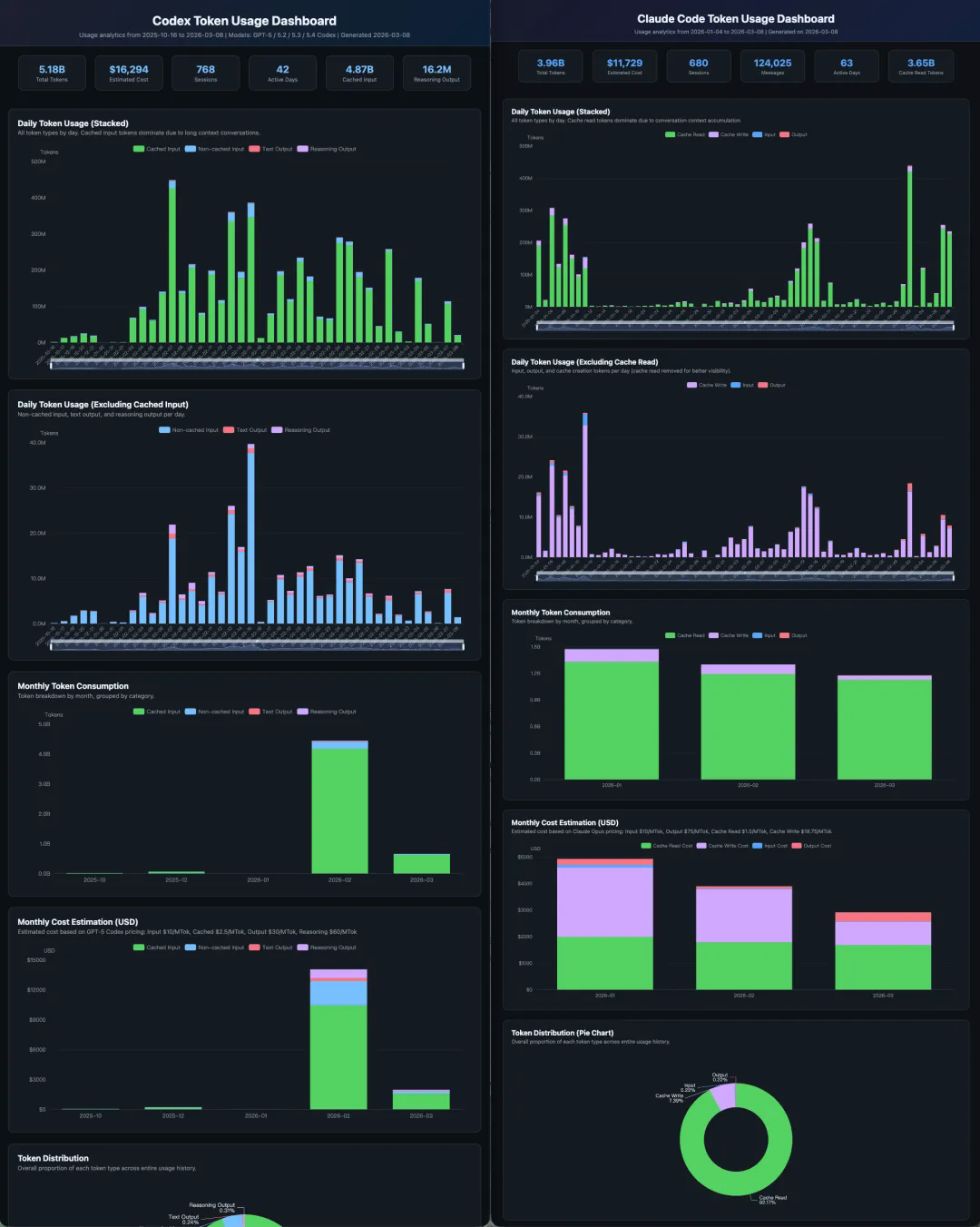
The uncomfortable truth is simple:
- If you already know how to work with agents, you may not need OpenClaw.
- If you do not know how to work with agents, installing OpenClaw will not magically make you an AI engineer.
5. Hype versus help#
OpenClaw is attractive largely because of its emotional value:
- It lets you “command AI” from a phone.
- It gives a strong role-playing sense of running an AI team.
- It spreads beautifully on social media.

That is fine. Emotional value is real value. But dressing up role-play as hard productivity and selling it with FOMO is something else entirely.
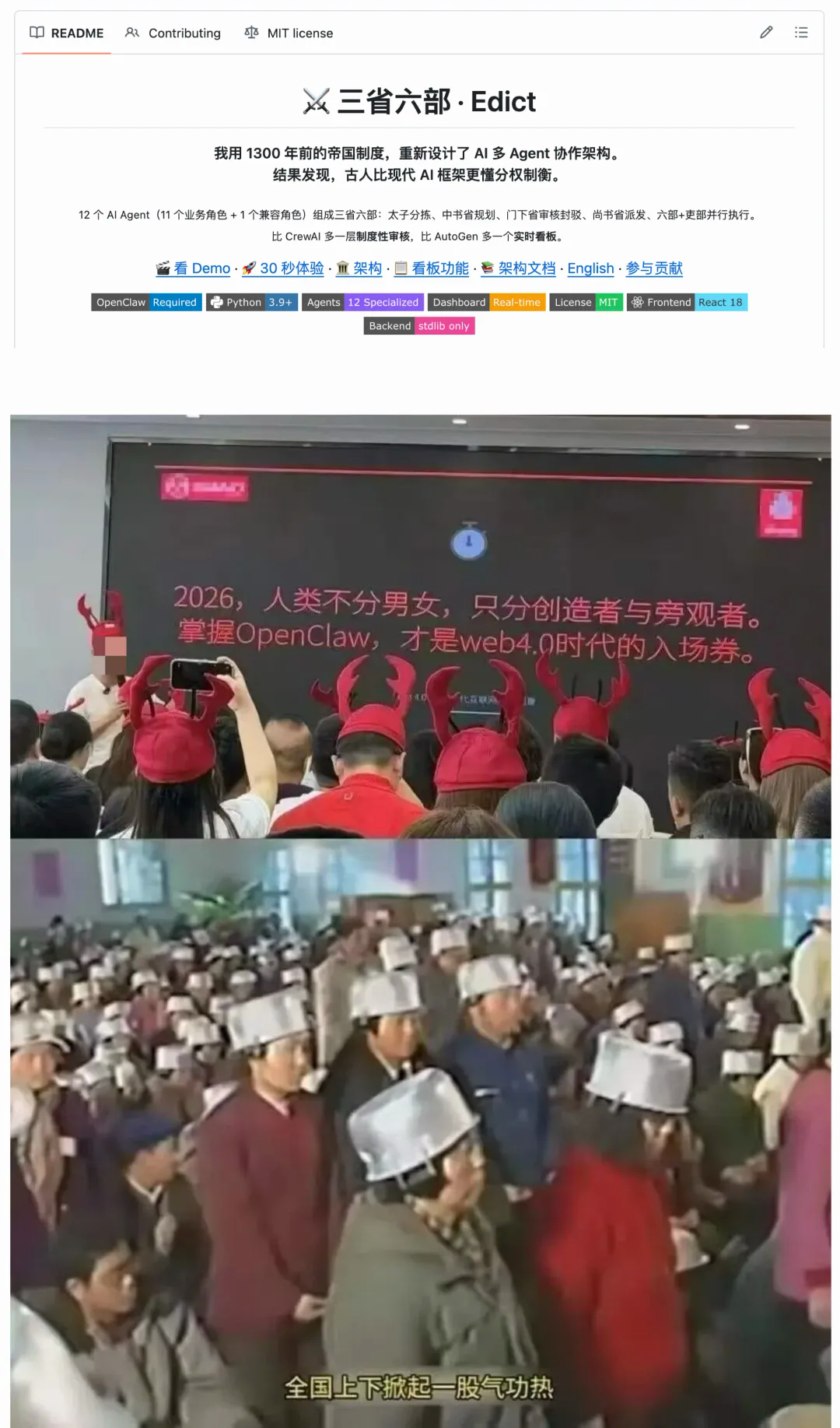
Many people think they are buying a ticket to the future. What they often buy instead is:
- Cloud bills
- Token bills
- Middle-layer service fees
Closing#
In the AI era, the scarce thing is not “a chat entrance.” The scarce thing is engineering capability: problem framing, workflow design, evaluation, security boundaries, and cost discipline.
OpenClaw rides the energy of the agent revolution, but it is mostly foam on the crest of the wave. The foam comes and goes. The long-term upside belongs to the people who can turn agents into real production systems.